AGP Executive Report
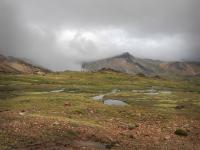
Last update: 23 minutes agoWater Security in the Andes: In Peru’s high Andes, a new conservation push in Huancavelica’s Chincha watershed is using wetland protection and native forest regeneration to slow glacier loss impacts and protect water supplies for the arid coast. Climate Risk for Latin America: The UN warns that a very strong El Niño could cut regional GDP by more than 2% over the next three years, urging earlier action like cross-border energy sharing and climate-resilient infrastructure. El Niño and Health Threats: Scientists project “Super El Niño” could lead to about 451,000 deaths, with the most severe impacts expected in the global south. Indigenous Adaptation: A new report argues Indigenous governance is already delivering effective climate adaptation, but legal recognition and financing are still far too limited. Pollution Watch: A global review finds cigarette butts make up about 12% of aquatic litter in surveyed sites, including hotspots reported in Peru. Biodiversity Spotlight: Peru-linked research highlights new species discoveries and the importance of correct identification for conservation planning.
Note: AI summary from news headlines; neutral sources weighted more to help reduce bias in the result. Feedback is welcome. Please let us know if you have any comments or suggestions about the AGP Executive Report.
 Perspectify News